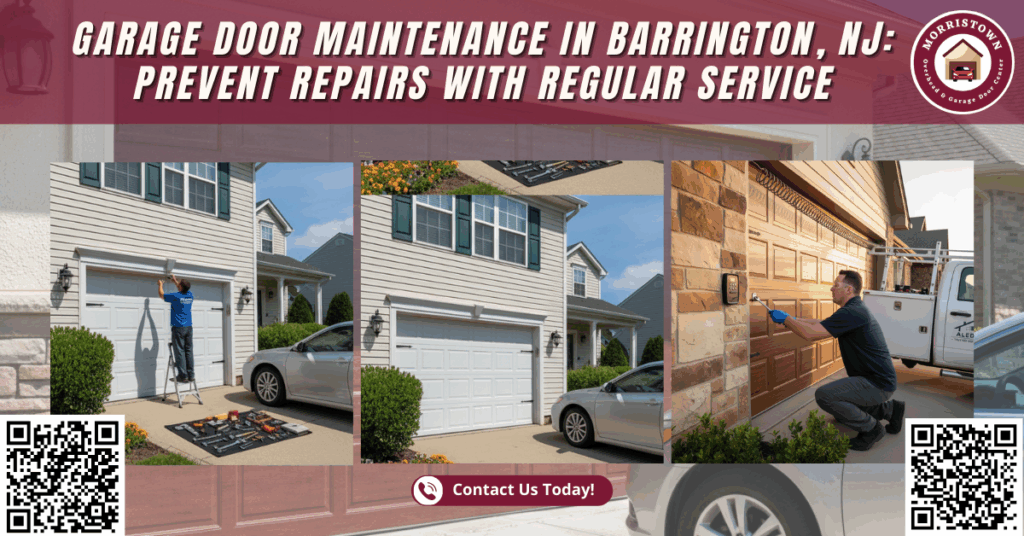
A few months ago, our team at Morristown Overhead & Garage Door Center was called to a home in Barrington, NJ, for an urgent late-night garage door repair. The door had stopped halfway and refused to move. The opener strained, the rollers squealed, and the family felt exposed with the garage open to the street. We discovered worn tension springs, dry hinges, a rusted track, and a safety sensor that was out of alignment. The entire system had gone without regular maintenance for years. What could have been a simple visit for lubrication and adjustment turned into emergency repairs and unexpected costs.
This experience is common in our service area. A garage door is a working machine that cycles up and down many times each day. Over time, parts like cables, springs, rollers, tracks, and the garage door opener collect dirt and debris, lose lubrication, and slowly drift out of alignment. Regular maintenance keeps every component in good condition, protects safety, and lowers the chance of sudden failure. Preventive maintenance is the difference between steady reliability and surprise breakdowns that interrupt your day.
If you care about your home, your schedule, and your budget, garage door maintenance in Barrington, NJ, is a smart habit to build. Our guide explains what to do, when to do it, and why it matters. You will learn practical tips you can perform yourself, signs that call for professional service, and simple ways to reduce costs while protecting the entire system for years of dependable operation.
Why Garage Door Maintenance Is Essential
A garage door is likely the largest moving object in your home. Modern garage doors combine steel, aluminum, wood, or composite panels with a balanced spring system, precision tracks, durable rollers, sturdy cables, electronic sensors, and a motorized opener. When one part begins to wear, the strain spreads through the entire system. A small issue becomes a larger problem because the door, opener, and hardware work as a team.
Regular maintenance provides four powerful benefits. First, it prevents costly repairs by catching potential issues early. A frayed cable replaced during an inspection costs far less than an emergency visit after the cable snaps and the door slams shut. Second, maintenance extends the life of the door and opener. With routine lubrication, inspection, and adjustment, many homeowners enjoy smooth operation for many years. Third, it improves safety. Tension springs and heavy panels can cause serious injury if a failure occurs. Fourth, it improves comfort and energy efficiency. Fresh weather stripping and well-aligned panels help control drafts so your garage remains a better buffer for the living space.
Think of your garage door system like a family car. You would not wait five years for an oil change or skip brake inspections. In the same way, a garage door deserves routine attention so that every start and stop happens safely and quietly. Regular maintenance supports reliability, protects your investment, and reduces long-term costs.
How A Garage Door System Works
Understanding the basic garage door system helps you see why upkeep matters. The door rides on tracks that guide the movement. Rollers sit inside the track and allow a smooth transition from vertical to horizontal travel. Hinges connect the sections so the door can bend as it moves. Cables lift the weight with help from springs that store and release energy. The opener turns a drive system that moves the door while sensors watch for people or objects in the path.
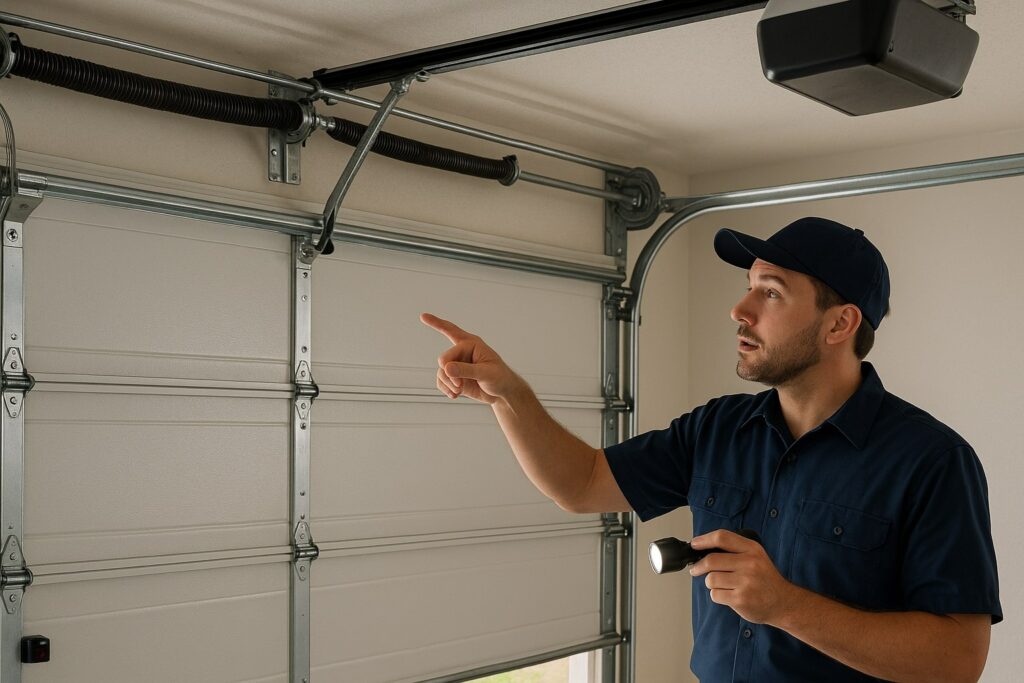
Each component needs care. Tracks need to be clean. Rollers and hinges need lubrication. Springs need inspection to confirm safe tension. Cables need checks for signs of rust or wear. Sensors need testing so the auto reverse function works the way it should. The opener benefits from cleaning, tightening, and a fresh backup battery. When you look at the entire system together, it becomes clear that regular maintenance is not an extra chore. It is the core of reliable operation.
Common Garage Door Issues When Maintenance Is Ignored
Broken Springs And Loss Of Balance
Springs do the heavy lifting. If springs lose strength or break, the opener has to fight the weight of the door. The result is loud strain, slow movement, or a total stop. Broken springs can cause damage to the opener and make the door unsafe to move. This is one of the most common emergency repairs we see, and it is often preventable with timely inspections and spring replacement before failure.
Misaligned Or Dirty Tracks
A track that has shifted even a little can cause rollers to bind, scrape, and rattle. Dirt, debris, and rust buildup make the problem worse. Misalignment forces the door to twist, which stresses hinges and panels. If the door jumps the track, the system can suffer major damage. Simple cleaning with a microfiber cloth and a careful track inspection by a professional keeps movement straight and quiet.
Frayed Or Rusted Cables
Cables lift the door with help from the springs. Over time, cables can rust or fray. When a strand breaks, the remaining strands carry extra load and wear even faster. A failed cable can drop the door on one side and twist the entire system out of square. Regular inspection and replacement at the first signs of wear prevent sudden failure and the risk of serious injury.
Worn Or Cracked Rollers
Rollers allow the door to glide. Without lubrication, rollers drag and create friction. You might hear squeaks, grinding noises, or feel jerky motion. Worn rollers can chip or crack. Replacing rollers is a simple service that restores smooth operation and reduces stress on hinges and tracks.
Malfunctioning Garage Door Opener
An opener is a dependable motor, but it needs attention. Dust on the rails, loose mounting hardware, a stretched drive chain, or a worn belt can reduce power and cause vibration. Safety sensors can drift out of alignment and cause the door to reverse or refuse to close. A regular opener inspection keeps the unit quiet, responsive, and safe.
Failing Weather Stripping And Seals
Weather stripping keeps water, dust, and pests out of the garage. Over time, rubber hardens, cracks, or pulls away. When that happens, you may feel drafts, see daylight at the edges, or notice more dirt on the floor. Refreshing weather stripping improves comfort and supports energy efficiency inside the home.
Seasonal Garage Door Maintenance For Barrington, NJ
Barrington experiences warm summers, cold winters, and regular rain. Weather swings affect metal, rubber, and electronics. A simple seasonal plan helps homeowners and businesses stay ahead of the weather.
Spring
Clean the tracks to remove salt and grit left from winter roads. Wipe with a microfiber cloth and a small amount of degreaser where needed, then dry fully. Examine the springs for surface rust and listen for new noises during operation. Lubricate rollers, hinges, and bearings with a quality spray lubricant designed for garage door parts. Tighten nuts and bolts at brackets and hinges. Test the garage door balance by lifting the door halfway after releasing the opener from the door. If it will not stay in place, schedule a professional inspection.
Summer
Heat dries rubber and can loosen fasteners as materials expand and contract. Inspect weatherstripping along the bottom seal and the side seals. Replace seals that are brittle or cracked. Clean photo eyes with a soft cloth so the sensors stay clear. Check opener settings and the backup battery. If you use a phone app to control the garage door opener, confirm that the software and firmware are current. If you are configuring a WiFi feature in a browser, avoid very old software such as Internet Explorer because some setup pages may not load correctly.
Fall
Prepare for cold weather. Refresh lubrication on rollers and hinges. Examine cables for signs of rust or fraying. Test the auto reverse sensors with a two-by-four block laid flat on the floor under the door, then close the door. The door should reverse when it touches the block. If it does not, call for service at once. Replace worn weather stripping to help with energy efficiency and to prevent water from freezing along the bottom seal.
Winter
Keep snow and ice away from the base of the door so it can seal properly. If the bottom seal freezes to the ground, resist the urge to force the opener. Free the seal gently with warm water and a towel. Use a small amount of spray lubricant on metal hardware to help movement on very cold mornings. Keep remotes in a warm place and replace batteries if the range decreases. A little attention during winter prevents damage and protects the opener from strain.
A Practical Homeowner Maintenance Checklist
Use this simple checklist to guide your regular garage door maintenance. Always stay clear of moving parts while the door operates. If anything seems unsafe, stop and call for professional garage door service.
- Look and listen during a full open and close. Watch for smooth operation and straight tracking. Listen for new noises, squeals, rattles, or scraping.
- Wipe tracks with a microfiber cloth. Remove dirt, cobwebs, and debris. Do not add grease to the track.
- Lubricate rollers, hinge pins, and bearings with a silicone-based or lithium-based spray lubricant meant for garage doors. Light coats are best.
- Inspect cables from a safe distance. Look for rust, broken strands, or kinks. Do not touch or adjust cables.
- Check the spring area for rust, gaps, or a stretched look. Springs are under tension. Do not loosen set screws or attempt adjustments.
- Tighten visible hardware. Use a nut driver to snug hinge bolts and bracket bolts. Do not overtighten.
- Test the manual lift. Pull the opener release and lift the door halfway. If the door does not stay, schedule a spring and balance inspection.
- Test auto reverse sensors. Close the door while blocking the sensors with a cardboard box. The door should reverse or refuse to close. Clean the sensor lenses if needed.
- Replace the opener backup battery if the unit beeps or shows a low power light.
- Inspect weather stripping. Replace seals that are flat, torn, or hardened.
- Clean the door surface. Wash with mild soap and water to remove dirt that can cause rust on steel doors or mildew on composite surfaces.
This basic garage door checklist helps many homeowners find small problems early. It also makes professional inspections faster and more effective.
Safety First: Know Your Limits
Some maintenance tasks are safe for a homeowner. Others are not. Tension springs and lifting cables store energy. A mistake can cause serious injury. If your garage door spring is broken, if a cable has snapped, or if the door is crooked in the track, do not try to move the door. Call a professional garage door technician. The same rule applies to track repairs and opener gear replacements. A professional has the tools, training, and parts to complete the job safely.
Safety sensors are another critical item. The small black photo eyes near the bottom of the track protect children, pets, and vehicles. If the sensors are out of alignment or if the wires are damaged, your door may not close or may reverse randomly. Fixing sensor wiring or alignment is a quick service for a trained technician and restores safe operation.
Costs, Value, And Long-Term Savings
Homeowners often ask about the cost of garage door maintenance. Basic service visits are modest compared to an emergency call after a failure. Preventive maintenance lowers the chance of costly repairs and protects the opener from unnecessary strain. Replacing worn rollers or a bottom seal is inexpensive and extends the life of the door. A well-maintained system can serve a home for many years without major expense. Regular maintenance also supports curb appeal, which adds value if you plan to sell your home.
For businesses, the value is even clearer. A stuck commercial door can stop deliveries and reduce productivity. Scheduled inspections and tune-ups prevent downtime and protect employees from injuries that may occur when a heavy door binds or drops unexpectedly. In both homes and businesses, preventative maintenance is a reliable way to control costs.
Energy Efficiency And Weather Protection
A tight garage helps regulate the temperature near living spaces. Weather stripping at the sides and bottom of the door closes small gaps. When weatherstripping is fresh and the panels meet the frame evenly, cold air and hot air stay outside where they belong. Your heating and cooling systems do less work, which can reduce energy costs over time.
In Barrington, seasonal rain and winter freezes make good seals especially important. When snow melts and refreezes near the threshold, a flexible bottom seal prevents water from seeping into the garage. It also keeps out pests that look for warm spaces. Fresh weather stripping is one of the lowest-cost improvements with the biggest comfort benefit.
Smart Openers, Apps, And Everyday Convenience
Many garage door openers now connect to home networks and phone apps. With a connected opener, you can check the door status, receive alerts, and open or close the door from anywhere. This is useful for package deliveries, family access, and peace of mind during travel. Keep the app updated and use strong passwords. If your opener supports firmware updates, apply them during regular maintenance. If you manage settings through a web browser, use a modern browser for best results and avoid very old software such as Internet Explorer.
A smart opener still needs mechanical care. Lubrication, sensor checks, and hardware tightening remain essential. Technology adds convenience, but maintenance protects reliability.
Real World Examples From Barrington
A Barrington homeowner noticed a new thump each time the door started moving. We inspected the system and found a flat spot on one roller and a loose hinge bolt. After replacing the rollers, lubricating the hinge pins, and tightening hardware across the door, the noise disappeared and the opener no longer strained at startup.
Another customer called about a door that would close halfway and then reverse. We cleaned the photo eyes, secured a loose sensor wire, and adjusted the track so the door moved freely. The fix was quick and inexpensive because we caught the problem before it damaged the opener.
A local shop relied on a commercial overhead door for daily deliveries. The door had not received an inspection for nearly two years. We found cables with visible rust and a spring that had lost tension. We replaced the worn parts, set the balance correctly, and began a quarterly maintenance program. The owner saw fewer interruptions, lower repair costs, and safer daily operation for employees.
Signs You Need Professional Service Now
Call for expert help if any of the following occur.
- The garage door will not open or will not close.
- The opener hums, but the door does not move.
- The door slams shut or rises unevenly.
- You hear grinding, popping, or metal scraping sounds.
- A cable looks frayed or rusted.
- A spring appears stretched, separated, or broken.
- The door shakes, binds, or jumps in the track.
- Sensors will not align, or the door reverses randomly.
- The opener light blinks error codes that will not clear.
- Panels show new cracks, dents, or water damage.
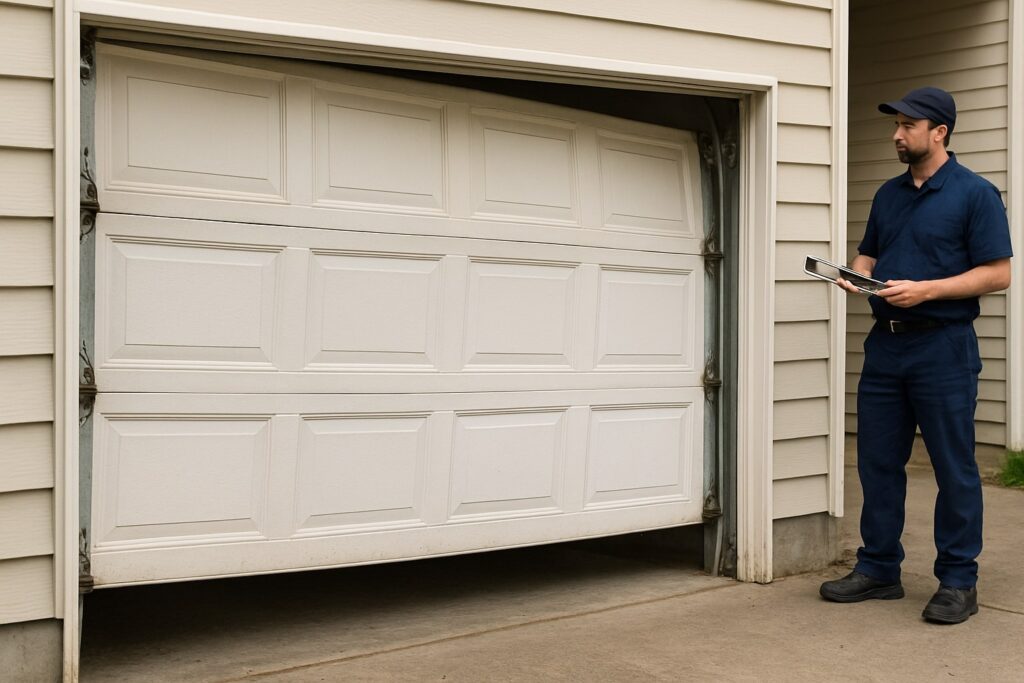
These signs point to problems that require a trained technician with the right tools and parts. Quick action prevents added damage to the entire system and lowers the chance of emergency repairs.
Choosing The Right Lubricants And Cleaners
Lubrication is one of the most important maintenance tasks. Use a silicone-based or lithium-based spray lubricant designed for garage door parts. Apply light coats to rollers, hinge pins, and bearings. Wipe away excess so it does not drip onto the floor. Do not grease the tracks. A greasy track collects dirt and slows movement.
For cleaning, use mild soap and water on door surfaces. For stubborn grime on metal parts, use a small amount of degreaser, then wipe dry with a clean microfiber cloth. Keeping hardware clean prevents rust and helps you spot potential issues early. If you see a rusted spot on a spring or a hinge, make a note and ask a technician to take a closer look during your next inspection.
Weather Stripping And Seals In Detail
Weather stripping works best when it matches the door and the climate. Bottom seals often slide into an aluminum retainer. Side and top seals attach to the frame. Look for rubber that stays flexible through winter. A straight, even seal protects against water, dust, and insects. When a seal compresses and does not rebound, it no longer blocks air or water. Replacing it restores comfort and helps control energy costs.
If your driveway is uneven near the threshold, a threshold seal glued to the floor can help the bottom seal meet the surface. This simple change supports smooth operation and reduces dirt blowing into the garage during windy weather.
The Role Of Professional Inspections
A professional garage door inspection goes beyond quick checks. A technician tests balance, measures spring performance, inspects cable condition, checks roller wear, aligns tracks, tightens hardware, verifies panel integrity, evaluates opener mounts, tests force and travel limits, and confirms that auto reverse sensors work correctly. The inspection ends with a clear report and expert advice on any needed repairs, replacement parts, or adjustments.
Regular inspections catch potential issues early and reduce long-term costs. They also maintain warranty requirements for some products. Most homes benefit from an annual inspection. Homes with more use, rental properties, and commercial locations may benefit from inspections twice each year or quarterly.
Commercial Doors: Extra Demands And Extra Care
Commercial garage doors in Barrington work hard. Delivery schedules and frequent cycles increase wear on rollers, hinges, springs, and openers. Safety is critical in busy spaces where people walk under doors with carts or pallets. A professional maintenance plan for commercial doors includes cycle counts, scheduled part replacement, and regular safety training for staff. Clear signage, routine inspections, and fast response to any sign of trouble protect both people and property.
When Repair Becomes Replacement
Even with excellent care, there comes a time when repair is no longer the best choice. Panels may be warped or water-damaged. Tracks may be bent beyond adjustment. An opener may lack modern safety features such as reliable auto-reverse sensors. If repairs begin to add up and reliability declines, a new garage door or a new opener can be a smart investment. A new door improves curb appeal, can increase insulation value, and often operates more quietly than older designs. A new opener adds modern features such as battery backup and phone control. A professional garage door technician can compare the cost of repair and the cost of replacement so you can make a confident decision.
How Often Should You Schedule Service
For most homes in Barrington, one professional garage door service visit per year is the right baseline. If the door serves a large family with many daily cycles, plan for service every six months. If you notice new noises, slower operation, or repeated sensor problems, schedule an inspection sooner. For commercial locations with heavy use, quarterly service keeps the system safe and productive.
Final Thoughts
Your garage door protects your home, stores your tools and vehicles, and welcomes you at the end of each day. It deserves steady care. Regular garage door maintenance prevents costly repairs, improves safety, and extends the life of every component in the entire system. Clean tracks support straight travel. Lubricated rollers and hinges deliver smooth operation. Healthy cables and springs keep movement balanced and controlled. Aligned sensors and a tuned opener protect people, pets, and property.
Make maintenance a simple routine. Watch and listen during daily use. Follow the homeowner checklist each season. Refresh weather stripping to support energy efficiency and comfort. Schedule professional inspections to catch potential issues before they become problems. When repair no longer makes sense, choose a new door or a modern opener that fits your home and your budget. With the right habits and the right partner, your garage door will serve you well for many years.
How Can Morristown Overhead & Garage Door Center Help You
Morristown Overhead & Garage Door Center proudly serves Barrington, NJ, and nearby communities with professional garage door service for homes and businesses. Our trained technicians handle installation, garage door maintenance, garage door repair, opener setup, safety sensor testing, weather stripping replacement, and emergency repairs. We arrive with the right parts and tools to restore reliable operation and protect your family and your property.
Address:
236 Phoenix Ave, Morristown, NJ 07960, USA
Phone:
(862) 208 2994
If you need a tune-up, a safety inspection, a new garage door, or expert advice on any garage door system, call us today. Schedule regular maintenance and enjoy a quiet, dependable door that looks great and works the way it should every single time.
Frequently Asked Questions (FAQs)
1. How long does a typical garage door inspection take?
A standard residential garage door inspection usually takes between 45 minutes to an hour. The time may be longer if the technician needs to replace worn parts, test opener settings, or adjust balance and alignment.
2. Can garage door maintenance improve home security?
Yes, keeping your garage door system in good condition helps prevent forced entry. Strong springs, secure cables, and properly working locks make it harder for intruders to tamper with the door.
3. What type of lubricant should I avoid using on my garage door?
Avoid using heavy grease or motor oil, as they attract dust and debris that can clog moving parts. Instead, always use a silicone-based or lithium-based spray lubricant designed for garage door components.
4. How do I know when it is time to replace my garage door instead of repairing it?
If your garage door has multiple cracked panels, warped sections, or outdated safety features, replacement may be more cost-effective than repeated repairs. A professional inspection can compare long-term repair costs against the benefits of installing a new door.
- Safety Tips to Follow During Basic Garage Door Repair Work
- What to Know About Automatic Garage Doors in Barrington, NJ
- Garage Door Opener Repair Services in Barrington, NJ: What to Expect
- What to Expect from a Garage Door Tune-Up in Barrington, NJ
- Garage Door Maintenance in Barrington, NJ: Prevent Repairs with Regular Service